
Every efficiency in central heating, explained.
From condensing boilers and smart thermostats to TRVs, weather compensation and flow temperatures — the plain-English guide from Brighton's Gas Safe engineers.
*Energy Saving Trust estimate, average UK 4-bed home, mains gas.
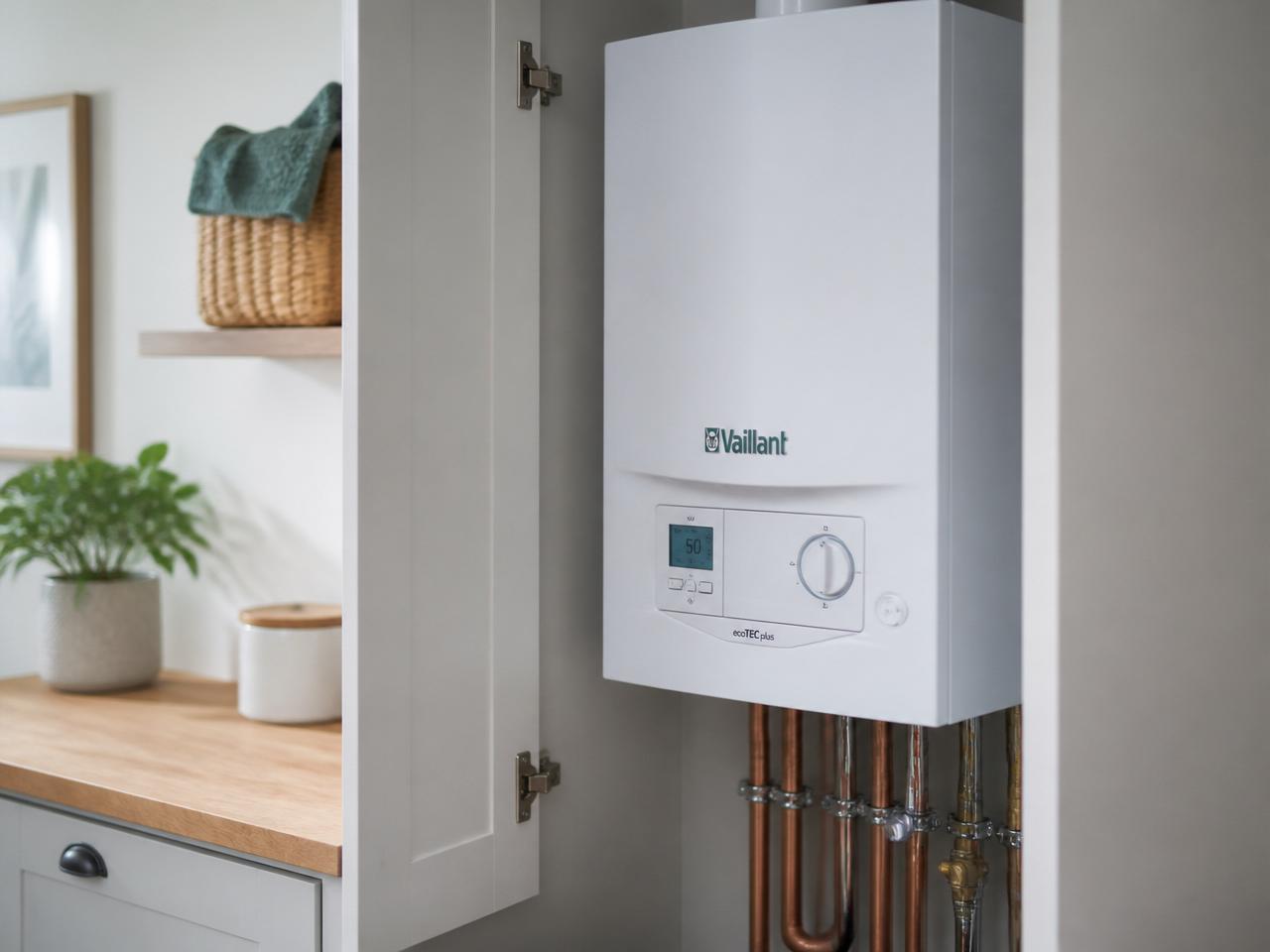
The condensing boiler — 30 years of efficiency in one box
Since 2005 every new boiler installed in the UK has been a high-efficiency condensing boiler. The trick is a second heat exchanger that squeezes extra heat out of the flue gases — heat that older boilers pumped straight out of the wall.
Modern A-rated boilers turn almost all the gas they burn into useful heat. A 20-year-old boiler is often 60–70%.
An oversized boiler short-cycles and wastes gas. We size to your bedrooms, bathrooms and heat demand — not to sell you the biggest unit.
The best boilers can turn their output down as low as 3kW, matching a mild spring day instead of blasting at full whack.

Smart thermostats & schedules — heat rooms you're in, when you're in them
A boiler is only as clever as what tells it when to switch on. A well-set schedule and a good room thermostat is where most homes make the biggest efficiency gain — for the smallest cost.
Heating a house you're not in is the single biggest waste in UK homes. A 7-day timer with morning and evening slots is essential.
Wi-Fi thermostats (Hive, Nest, tado°) learn your routine, sense when you're out and let you adjust from your phone. Typical saving 8–12%.
OpenTherm-enabled controls let the boiler and thermostat talk to each other, ramping down the flame as the room approaches temperature.
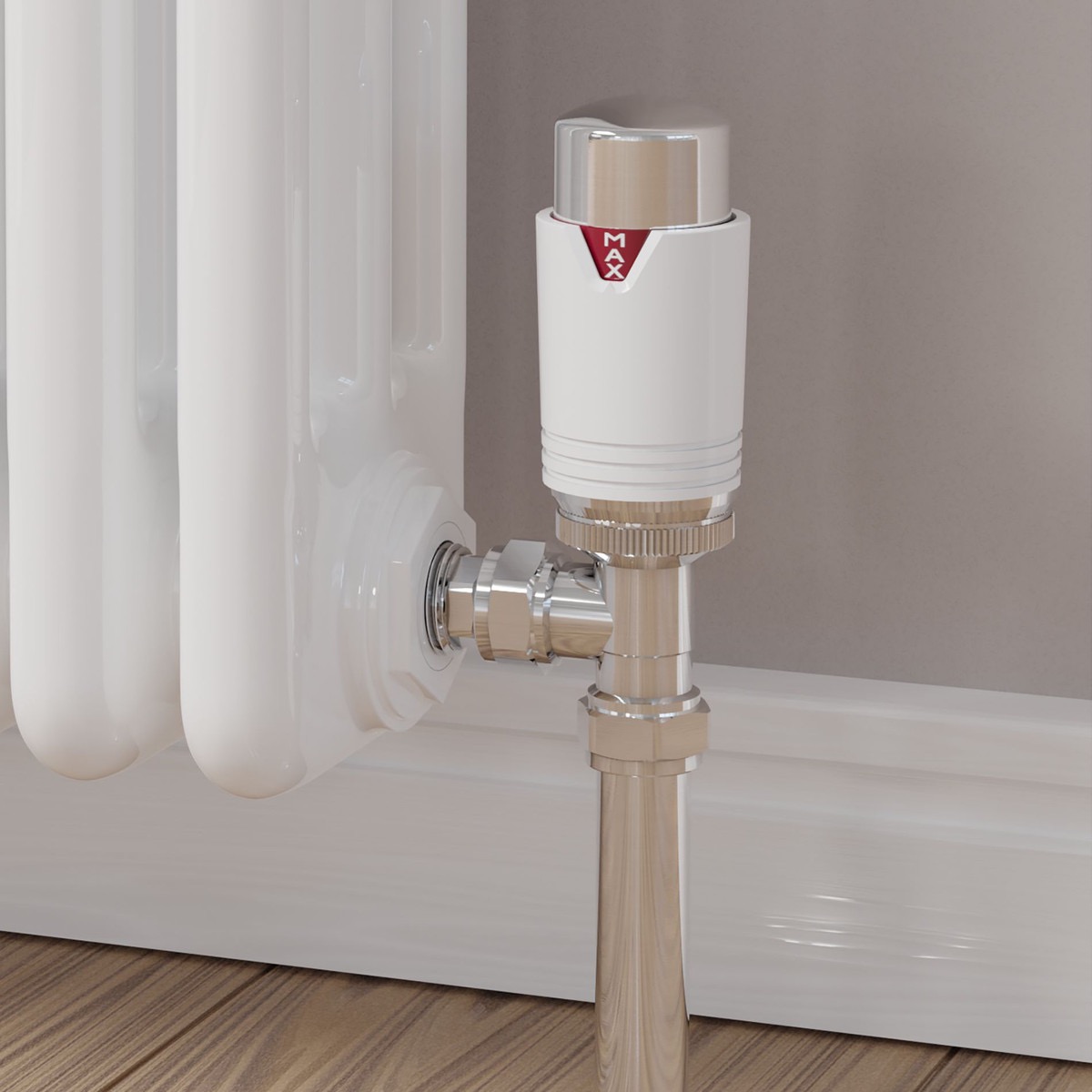
TRVs & balancing — a different temperature in every room
Even the smartest thermostat can only measure one room. TRVs give every radiator its own thermostat, so bedrooms stay cool, living rooms stay cosy and no room is heated more than it needs.
Set each radiator between 1 and 5 to suit the room. Bedrooms at 2–3, living rooms at 4. Saves £75–£150/year on a typical house.
A balanced system heats every radiator evenly. Unbalanced systems have some rads scorching and others cold — wasting gas and driving thermostats up.
Sludge insulates the inside of a radiator like a jumper. A powerflush restores heat transfer and can knock 10% off gas usage on an old system.
What do those A–G stickers actually mean?
Every boiler in the UK carries an ErP (Energy-related Products) rating from A to G. It's the same idea as fridges and washing machines — the higher the letter, the less energy wasted for the same amount of heat.
Turn your flow temperature down.
Most combi boilers leave the factory set to 75–80°C. At that temperature, the return water is too hot for the boiler to condense — meaning you paid for a modern high-efficiency boiler and it's running like a 1990s one.
Turn the central-heating flow temperature down to around 55–60°C and the boiler will condense properly. Radiators take a little longer to reach heat but stay warm longer, and gas usage drops by 6–8%. Leave the hot-water setting alone.
Six things you can do this weekend
Small changes that add up to a warmer, cheaper home — no new boiler required.
Air pockets stop hot water reaching the top of the radiator. Bleed once a year for full performance.
A sofa in front of a radiator absorbs the heat and blocks it from circulating. Keep 15cm clear.
£15 of foam lagging on loft or garage pipes stops heat leaking before it reaches your rooms.
A well-serviced boiler runs 5–10% more efficiently than a neglected one and lasts years longer.
A MagnaClean filter traps sludge and iron oxide, protecting the heat exchanger and keeping efficiency high.
An outdoor sensor lets the boiler adjust flow temp automatically as the weather changes.

Want to save on gas bills? Ask Dale how to get the most from your heating.
Honest efficiency advice — from an installer with nothing to hide.
There's a lot of jargon in the heating world and plenty of installers who use it to sell bigger boilers and shinier kit than you actually need. That's not us. We've been fitting boilers across Brighton and Hove since 1998, and our advice is always the same: pick the right size for your home, spend the money on good controls, and look after it with an annual service.
Do those three things and a modern gas boiler will run at 92%+ efficiency for a decade or more — quietly saving you money every single day.
Frequently asked questions
What's the most efficient type of boiler?
Every new gas boiler sold in the UK is a high-efficiency A-rated condensing boiler — typically 92–94% efficient, compared to 60–70% for a 15-year-old non-condensing model. The gains come from recovering heat from the flue gases that older boilers simply threw away.
Do smart thermostats really save money?
Yes, when used properly. Independent trials by the Energy Saving Trust show smart controls with room sensing and scheduling typically cut heating bills by around 10%. The saving comes from heating only the rooms you use, only when you need them — not from any magic tech.
What are TRVs and are they worth fitting?
TRVs (thermostatic radiator valves) let you set a different temperature in every room. Fitting them to a home that only has a single thermostat typically saves £75–£150 a year and stops bedrooms overheating.
What is weather compensation?
A small outdoor sensor tells the boiler how cold it is outside so it can lower the flow temperature on milder days. This keeps the boiler condensing (its most efficient mode) for longer and can add another 5–10% saving on top of a normal control setup.
Does turning the boiler flow temperature down actually help?
Yes. Most combi boilers leave the factory set to 75–80°C, which stops them condensing. Turning the central-heating flow temperature down to around 55–60°C keeps the return water cool enough for the boiler to condense — typical saving is 6–8% on gas with no comfort loss in a well-sized system.
Is a hydrogen or heat-pump system more efficient than a gas boiler?
Air-source heat pumps run at 300–400% efficiency (they move heat rather than burn fuel) so long-term they are the most efficient option. Hydrogen-ready boilers are around the same efficiency as today's natural gas boilers. We'll always tell you honestly which route fits your home best.
Want a more efficient home?
Get a fixed-price quote for a new boiler, or book a chat about controls and upgrades.